Car Key Replacement
Losing a car key or watching a key fob stop working in the middle of Austin's afternoon heat — say, stuck in a parking garage off South Congress or stranded near the Domain after a long shift — is more than an inconvenience. Modern vehicles from Toyota, Ford, GM, Honda, BMW, and nearly every other brand now use transponder chips, proximity sensors, and rolling-code technology that makes key replacement a precision job, not just a matter of cutting a metal blank. Our mobile team at Austin TX Locksmith carries the diagnostic tools, key-cutting equipment, and programming hardware to handle replacement keys and fobs for the vast majority of makes and models on the road today, and we come to wherever you are in the Austin metro.
Open 24 hours, 7 days a week · Licensed, bonded & insured
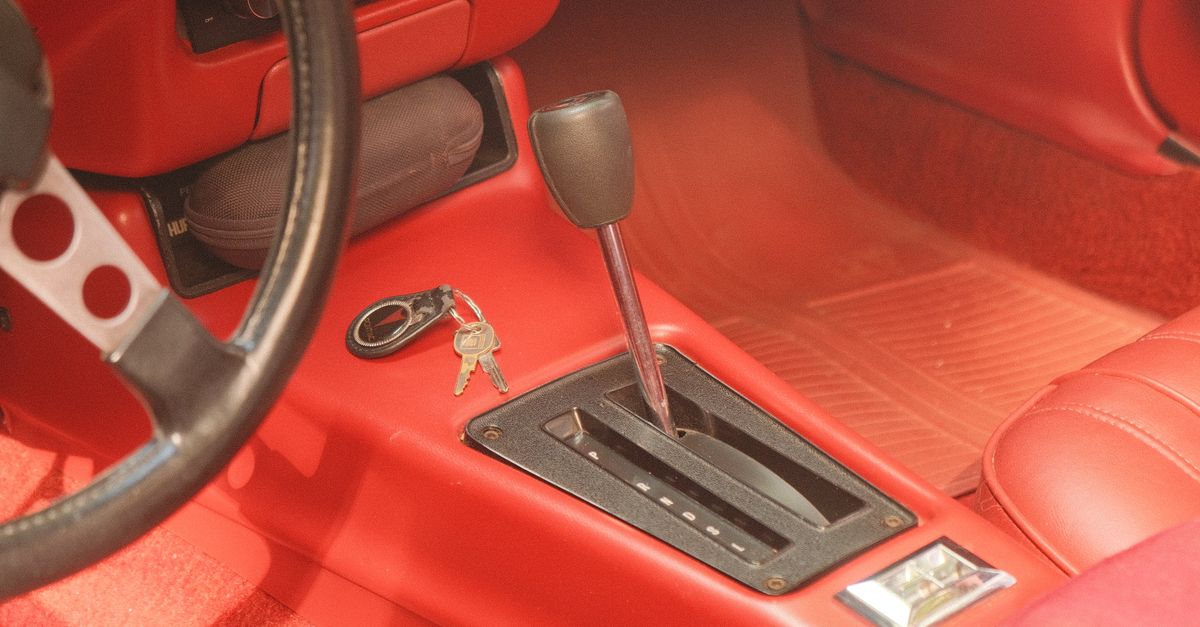
What separates a proper automotive key replacement from a rushed duplicate is the combination of accurate mechanical cutting and correct electronic pairing with your vehicle's immobilizer or keyless-entry system. Get either step wrong and the key either won't turn, won't start the engine, or won't unlock the doors remotely. Our trained, insured technicians handle both steps on-site — no towing required, no dealership waiting room, no guessing. We work 24/7, including weekends and holidays, because key emergencies don't follow a business schedule.
What we do
Available 24/7
Day, night, weekends and holidays — a real local locksmith answers and rolls a fully-stocked van.
Fast local response
Based in Austin, we reach the Austin area in well under an hour.
Insured & background-checked
Vetted technicians, up-front pricing, and no surprise add-ons when we arrive.
Damage-free entry
We pick and bypass locks the right way, so most lockouts are solved without drilling anything.
Car Key Replacement by Vehicle Brand — What Actually Changes
The process of cutting and programming a replacement key varies significantly depending on the manufacturer, the model year, and the specific key type the vehicle uses. Toyota and Lexus vehicles manufactured after the mid-2000s almost universally rely on transponder chips that must be cloned or newly coded to the car's ECU; many newer Toyotas also use smart proximity keys that require a direct OBD-II programming session. Ford and Lincoln models have shifted heavily toward PATS (Passive Anti-Theft System) keys, and F-Series trucks from certain model years require the new key to be present along with a working original during programming — a detail that catches many owners off guard. GM vehicles, including Chevrolet, GMC, Buick, and Cadillac, often use a learn procedure that must be executed in a specific sequence using a scan tool. Honda and Acura keys are generally more straightforward to cut but still require transponder programming on models from the late 1990s onward. German brands — BMW, Mercedes-Benz, Audi, and Volkswagen — tend to use more complex encrypted key systems where programming must be done via manufacturer-level software, and in some cases the vehicle's immobilizer module must be synchronized at the same time as the key.
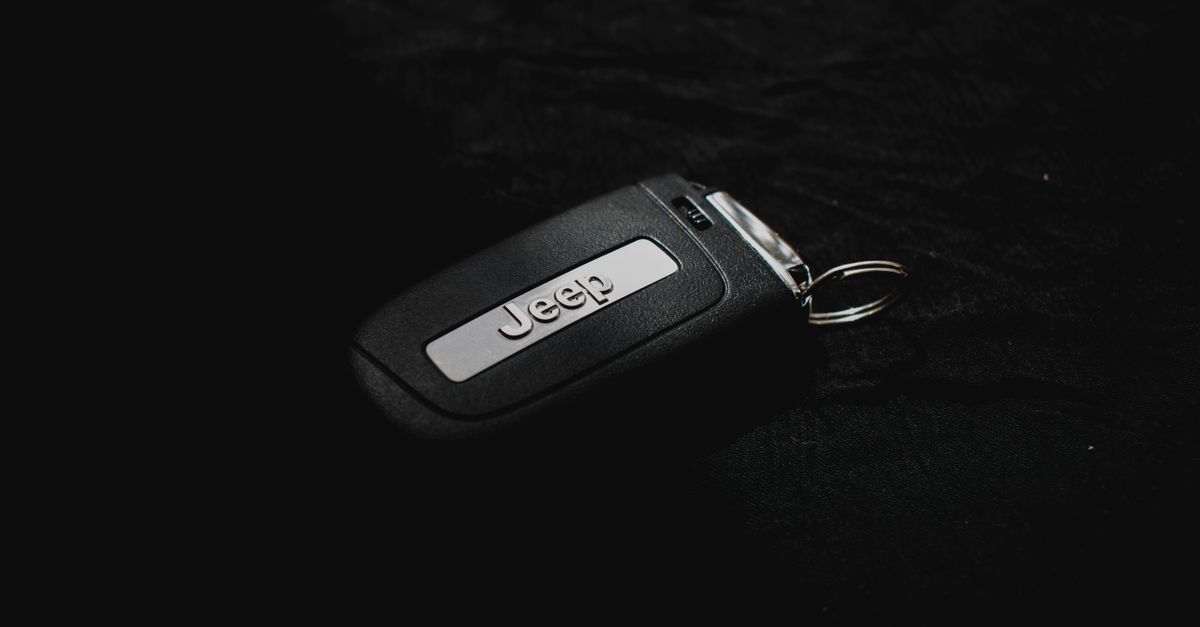
Fob-only replacements — where you already have a working physical key but need to restore remote lock, unlock, or panic functions — involve a separate radio-frequency pairing process. Some vehicles allow this through a self-programming sequence in the owner's manual, but an increasing number require a professional scan tool to write the new fob's ID to the BCM (Body Control Module). Hyundai and Kia, for example, moved away from self-programming fobs on many recent models. Jeep, Dodge, and Chrysler products using the Fobik integrated key-fob unit need both the mechanical blade cut and the electronic portion programmed simultaneously. Our technicians carry equipment calibrated for domestic, Asian, and European platforms, and we verify programming is complete before we leave your location.
How We Handle Car Key Replacement On-Site Across Austin
When you call 737-355-5126, our dispatch team asks for your vehicle's year, make, model, and whether you have any working keys remaining. That information lets us confirm which cutting profile and programming method apply before the technician even leaves for your location — whether you're in East Austin near Cesar Chavez, out in Cedar Park, or down by Slaughter Lane. The technician arrives with a mobile key-cutting machine capable of both laser-cut (high-security) and standard blade profiles, along with a multi-platform transponder programmer and, when needed, a dedicated OBD-II interface tool. Every key blank we use is a quality aftermarket or OEM-equivalent unit matched to your vehicle's profile.
After cutting, we test the mechanical fit in the door cylinder and ignition before moving to electronic programming. For transponder keys, the chip is either cloned from an existing key or freshly coded to the vehicle's immobilizer via the OBD port. For smart keys and push-button start systems, the programming sequence also registers the key's unique rolling code with the vehicle. We perform a full function check — start, lock, unlock, trunk release — before the job is considered complete. If you need a replacement key and you're not sure what type your vehicle uses, that's fine; identifying the correct key system is part of the service. We confirm an exact, up-front price before any work begins, and that quote reflects the specific key type, any programming complexity, time of day, and travel distance involved — so there are no surprises.
Transponder Chips, Smart Keys, and Fobs — Understanding the Differences
A basic transponder key looks like a standard metal key but contains a passive RFID chip in the plastic head. When inserted into the ignition, the car's antenna ring sends a low-frequency signal that powers the chip and reads its code. If the code matches what's stored in the immobilizer, the engine is allowed to start. This technology is on the road in hundreds of millions of vehicles, and it's the most common type our team programs in Austin every week. Cutting the blade without programming the chip produces a key that will open the door but not start the car — a source of real confusion for owners who expect a hardware store duplicate to work the same way.
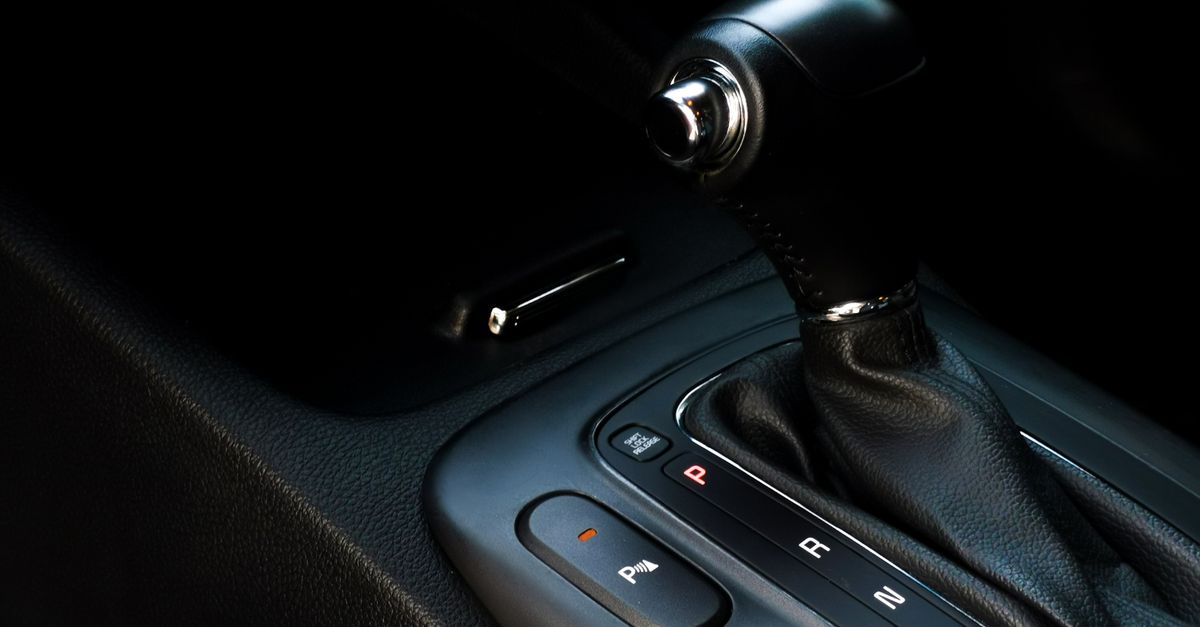
Smart keys and proximity fobs take this further by continuously broadcasting a low-power signal that the vehicle detects when you approach or touch the door handle. Push-to-start systems read this signal before allowing the start button to engage the ignition. These keys require both a chip ID and a rolling-code sync, and they are almost always programmed exclusively through the OBD-II port using brand-specific software. Switchblade keys — where the metal blade folds into the fob body — add a mechanical pivot that must be matched to the correct blank. Our technicians are trained on all three key families and carry blanks covering the most common domestic and import platforms, meaning most jobs are completed in a single on-site visit without a return trip for parts.
What Determines the Price of Your Key Replacement — And How We Quote It
We don't name prices on this page because the honest answer is that the final cost depends on several real variables that can only be confirmed once we know your exact situation. The type of key your vehicle uses is the biggest factor: a standard transponder key for a mid-2000s domestic vehicle involves less equipment and time than a proximity smart key for a late-model European luxury vehicle. Whether you have a working spare key matters too — certain programming methods require a working original to be present, and not having one can change the procedure. Time of day is another factor; our 24/7 availability means technicians are dispatched at 2 a.m. just as readily as at 2 p.m., and that availability is reflected honestly in the quote. Travel distance within the Austin metro and the specific parts required round out the calculation.
What we commit to is transparency: before a single cut is made or a programmer is connected, we give you the exact price for the complete job. No add-ons discovered mid-service, no vague estimates that balloon when the invoice arrives. If you're trying to decide whether to call us or take the vehicle to a dealership, consider that dealerships typically require the vehicle to be brought in, often have multi-day lead times for key orders, and may not offer 24/7 service. We come to you, we carry parts, and we work any hour. Call 737-355-5126 now — our team answers around the clock and can usually give you a time estimate and price confirmation within minutes of your call.
Frequently asked questions
Answers to what our customers ask most. Still unsure? Just call.
I need a key for my car but I have no working key at all — can you still help?+
Yes, and this is actually one of the most common scenarios we handle. When there is no working key at all, the process is called an "all-keys-lost" replacement, and it requires a different programming approach than adding a second key to a vehicle that already has one. For many makes, this means using advanced OBD-II programming software to interrogate the immobilizer directly and write a new key identity from scratch. It takes longer and may involve a different price point than a simple spare-key duplication, but it is entirely possible without towing the vehicle. Our technicians carry the equipment for all-keys-lost jobs on the most common domestic and import platforms. When you call 737-355-5126, just let us know you have zero working keys so we can dispatch the right technician with the right tools.
What does it mean when people say they need to "pop a lock" on their car?+
The phrase "pop a lock" is a casual term that generally means opening a locked car door without the key — it does not refer to any single specific method. In a professional, legitimate context, it means a trained technician uses specialized tools to manipulate the door's locking mechanism from the outside without damaging the glass, weather stripping, paint, or interior components. Our technicians are trained to use damage-free entry methods whenever the vehicle's design permits it. What it does not mean — despite what some online videos suggest — is any kind of destructive or forced entry. If you're locked out of your vehicle in Austin, the right move is to call a professional rather than attempt anything yourself, which risks costly damage to door panels or window seals. We handle car lockouts 24/7 across the Austin area.
How long does mobile car key replacement usually take once you arrive?+
For the majority of transponder key jobs on common domestic and Asian-brand vehicles, the on-site time from arrival to completed, tested key is typically 20 to 45 minutes. Smart key and proximity fob programming on European or luxury vehicles can take longer because the software sequences are more involved and require more verification steps. All-keys-lost scenarios also add time because the immobilizer interrogation process has built-in security delays on many platforms. We'll give you a realistic time estimate when you call, based on your specific year, make, and model. Our goal is always to complete the job in one visit so you're not left waiting for a second appointment.
My key fob buttons stopped working but the key blade still works — do I need a full replacement?+
Not necessarily. A fob that no longer controls locks or trunk release remotely but whose blade still starts the car usually points to one of three issues: a dead or weak battery in the fob, a damaged circuit board inside the fob housing, or a lost radio-frequency pairing between the fob and the vehicle's receiver. A battery swap is the first thing to check, and it's something most owners can do themselves with a coin and the correct CR2032 or equivalent cell. If a fresh battery doesn't restore function, we can test the fob's transmitter output and re-pair it to the vehicle if the pairing has been lost. If the circuit board is damaged from water intrusion or a drop, we can replace the fob shell and transfer the chip, or supply and program a new unit. Call us and describe the symptoms — we can usually narrow down the likely cause before we arrive.
Can you replace keys for older vehicles that predate transponder technology?+
Absolutely. Vehicles manufactured before roughly 1997 to 1999 (the cutoff varies by brand) typically use standard mechanical keys with no electronic component. For these vehicles, key replacement is a matter of cutting the correct blade profile — which we do from the VIN or by impressioning the lock. There is no programming step required. We still come to you, we still work 24/7, and the process is straightforward. If you have an older truck, classic car, or work vehicle with a pre-transponder ignition and you've lost the only key, we can typically have you back on the road faster than most modern key jobs because there's no electronic pairing involved.
I need a key for my car and I'm not sure if it's a transponder key or a smart key — how do I find out?+
The easiest way is to look at the head of your existing key or fob. If the key blade folds into a plastic body that also has lock and unlock buttons, it's likely a transponder or switchblade key with a fob. If you carry a separate key fob that communicates with the car while staying in your pocket — and the vehicle has a push-button start rather than an ignition slot — it's a smart proximity key. If the key is purely metal with a rubber or plastic handle and no buttons anywhere, it may be pre-transponder. When you call 737-355-5126, our team will ask a few quick questions about your vehicle and key to identify the exact type, so we arrive prepared with the right equipment and blank. You don't need to know the technical details — that's our job.