Austin TX Locksmith Service Team
Local locksmith team
Jun 25, 2026 10 min read
If you have ever stood at your front door in Austin and wondered why your neighbor's lock looks so different from yours, you are probably looking at the difference between a mortise lock and a standard door knob lock. These two systems dominate homes across the city — from the craftsman bungalows off South Congress to the newer builds spreading through Pflugerville and Cedar Park — and choosing between them matters more than most homeowners realize. The right lock is the difference between a door that resists a shoulder check and one that folds under basic pressure.
This guide breaks down exactly what each system is, how they perform in real-world Austin conditions, and when it makes sense to upgrade, replace, or call a professional locksmith to handle the job correctly. Whether you are rekeying after a move, upgrading security on an older home, or simply trying to understand what you already have, the information here is practical and honest.
## What Is a Mortise Lock — and Why Older Austin Homes Love Them
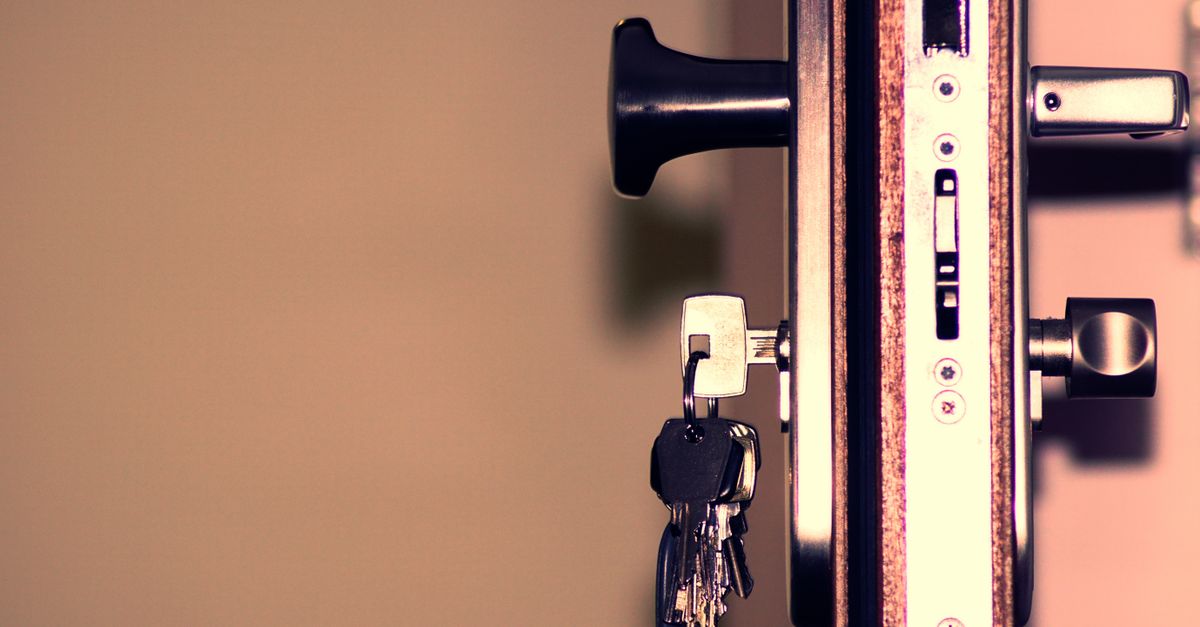
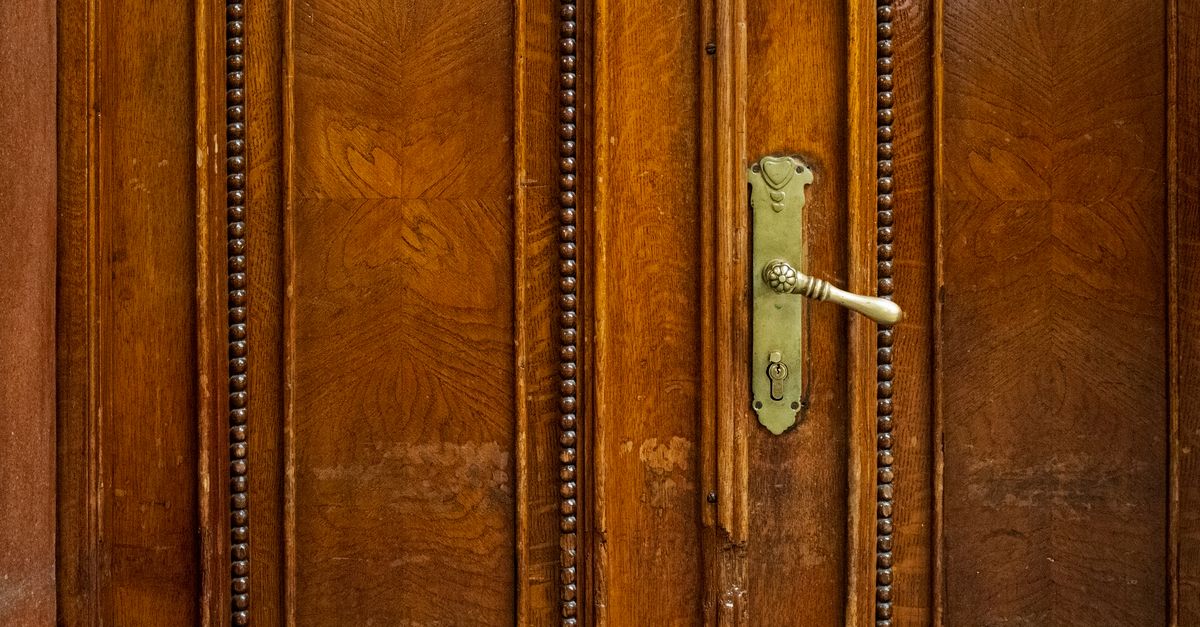
A mortise lock is a lock mechanism that sits inside a carved-out pocket — or mortise — cut directly into the edge of the door. Because the lock body is recessed into the door's thickness rather than simply bolted onto its face, it integrates with the door structure itself. A full mortise lock set typically includes a deadbolt, a latch, a strike plate, and a trim assembly, all working together as one unit. This design dates back well over a century, which is exactly why you find it so often in the older craftsman and Victorian-era homes near Hyde Park, Travis Heights, and Clarksville. Builders of that era understood that a lock embedded in the door was simply harder to defeat than one sitting on top of it.
From a security standpoint, mortise locks earn their reputation. The multi-point engagement — where the bolt seats deeply into a reinforced strike pocket in the door frame — distributes forced-entry stress across a larger area of wood or metal. That matters in Texas, where temperature swings cause door frames to expand and contract seasonally, occasionally leaving standard locks with a looser fit than intended. A quality mortise lock set handles that movement better because the mechanism is protected inside the door body rather than exposed on its face.
## The Door Knob Lock: Still Common, Still Useful — But Know Its Limits
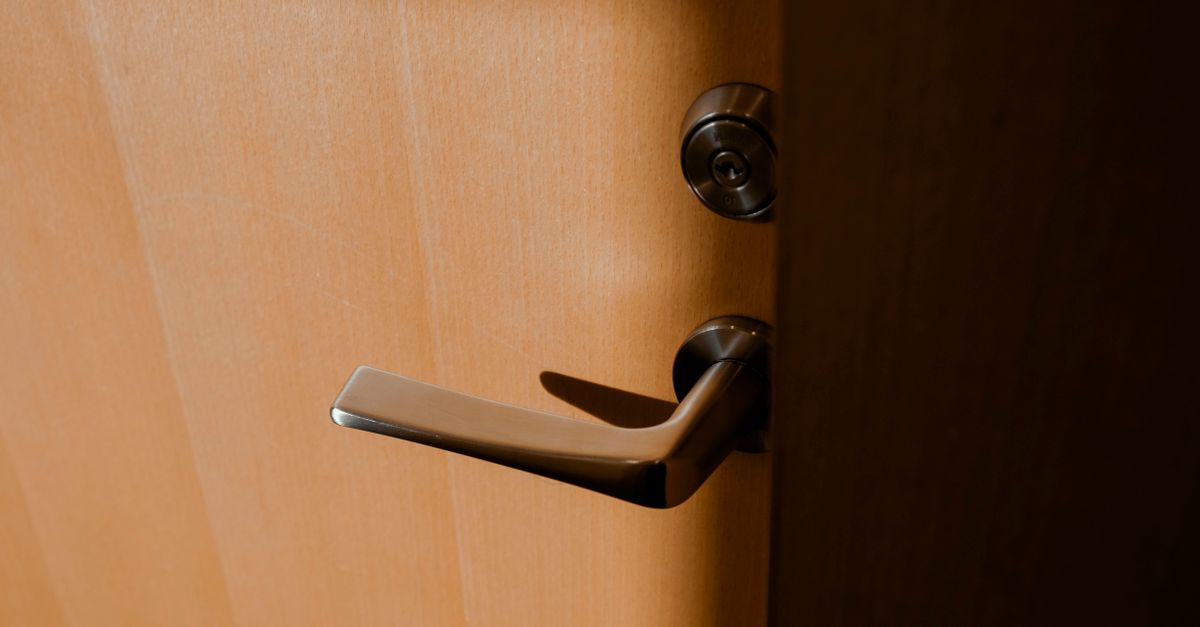
The door knob lock, sometimes called a knob lock or cylindrical lock, is what most people picture when they think of a basic door lock. The locking cylinder lives inside the knob itself, and a spring-loaded latch holds the door closed. Builders and developers have used door knob with lock setups as the default on residential construction across Austin's growth corridors — think newer subdivisions in Round Rock, Hutto, and Leander — because they are straightforward to install and widely compatible with standard door prep. A door knob with lock and key is also what most renters encounter in apartment complexes and rental houses throughout the 78704 and 78745 zip codes.
The honest limitation of a knob lock used alone as a primary security device is that the cylinder is exposed and the knob itself can be targeted with enough force. This does not mean a door knob lock is useless — paired with a quality deadbolt on the same door, it functions exactly as intended: keeping the latch engaged and providing a secondary point of resistance. Where homeowners run into trouble is relying on the knob lock alone on an exterior door, or installing a builder-grade unit and never upgrading it. If your exterior doors have only a knob lock with no deadbolt above it, that is worth addressing sooner rather than later.
## Head-to-Head: Mortise Lock vs. Door Knob Lock for Austin Homeowners
Security depth is the clearest difference. A properly installed mortise lock engages the door frame at multiple points and has a longer bolt throw, making it meaningfully more resistant to kick-in and pry attacks. A standard knob lock with a short-throw latch is the weaker option when used alone, though adding a deadbolt closes that gap considerably. If you are comparing them purely on security engineering, the mortise system wins — but a well-paired knob lock and deadbolt on a solid door with reinforced strike plates is not a negligible setup either.
Cost and installation complexity separate them on the other side of the ledger. Swapping a door knob lock on a pre-drilled residential door is a shorter job than installing a mortise lock set, which requires precise routing into the door edge. That is work best left to an experienced locksmith rather than a general contractor, because an improperly cut mortise pocket can weaken the door rather than strengthen it. Longevity also favors the mortise: a quality mortise lock set with brass or steel internals is built to outlast the door itself. Many of the mortise locks our team services in older Austin homes are functioning originals from the 1940s and 1950s — they just need rekeying or a new cylinder rather than full replacement. If you are unsure which system your home currently has or whether it is installed correctly, we are happy to assess it on-site. Call 737-355-5126 and our team can come to you anywhere in the Austin area, any time of day.
## How Can I Get Into My House If I Am Locked Out — and What About Picking a Door Knob Lock?
Getting locked out is one of the most common calls we receive, and the right response is simpler than most people think. First, check every door and ground-floor window — a surprising number of Austin homeowners discover a side door or back slider that was left unlocked. Second, call a trusted neighbor or family member who may hold a spare key. Third, if you have a garage with an interior door connecting to the house, check whether that entry point is accessible. What to do if you are locked out of your house with no key and none of those options work: call a professional locksmith. That is genuinely the fastest, safest, and most damage-free solution available.
On the topic of how to pick a door knob lock — this comes up frequently in online searches, and the honest answer is that attempting to pick or bypass your own lock without training almost always makes the situation worse. Improper attempts can damage the cylinder, break a pick inside the keyway, or leave the lock inoperable, turning a simple lockout into a full lock replacement. A skilled locksmith can open a locked door non-destructively using professional techniques, verify your identity as the homeowner or resident, and have you inside in minutes. There is no shortcut that beats that outcome. If you find yourself in this situation — locked out, no spare, no access — call 737-355-5126 and we will dispatch a mobile locksmith to your location around the clock.
## When to Call a Locksmith Austin Professional: Rekeying, Upgrades, and Commercial Needs
There are several situations where calling a professional locksmith is the clearest move. Moving into a home — whether a craftsman in Bouldin Creek or a new build in Mueller — means the previous owner, past tenants, real estate agents, and contractors may all have copies of your key. Rekeying your home resets that exposure entirely without requiring full lock replacement, and it is something our team does efficiently on a single visit. If your current locks are original builder-grade hardware or older knob locks without deadbolts, that visit is also a natural opportunity to assess whether an upgrade to a mortise lock set or a high-security cylindrical system makes sense for your specific doors and frame condition.
For business owners, the calculus shifts. Commercial locksmith needs often involve higher-traffic doors, master key systems, panic hardware, and access control — scenarios where a mortise lock's durability and multi-point engagement become even more relevant. A retail storefront on South Lamar or an office suite off the Domain is not well-served by residential-grade hardware. Our team handles commercial rekeying, lock upgrades, access control installation, and after-hours lockout response for businesses throughout the Austin metro. Factors that shape the final price for any locksmith service — residential or commercial — include the type of lock involved, the complexity of the job, the time of service, travel distance, and any parts or hardware required. We confirm an exact up-front price before any work begins, so there are no surprises when the job is done.
## Our Services: What Austin TX Locksmith Handles Every Day
Our mobile team covers a wide range of locksmith needs across Austin and the surrounding area. Here is a specific look at what we do: residential lockout response, commercial lockout response, mortise lock installation, mortise lock repair and cylinder replacement, door knob lock installation and replacement, deadbolt installation, rekeying residential locks, rekeying commercial locks, master key system setup, high-security lock upgrades, smart lock and keypad lock installation, door hardware consultation and assessment, strike plate reinforcement, lock repair after attempted break-in, car lockout response, car key replacement, transponder key programming, key fob replacement and programming, broken key extraction from lock cylinders, broken key extraction from ignition, ignition repair and replacement, trunk lockout assistance, safe opening and combination changes, access control system installation, and lock-out prevention consultations. Whether the call comes in at noon or 3 a.m., we respond throughout Austin — from the 78701 zip code downtown out to Georgetown, Kyle, and Buda.
Frequently asked questions
What is a mortise lock and how is it different from a regular knob lock?+
A mortise lock is a locking mechanism installed inside a pocket cut into the door's edge, making it structurally part of the door itself. A standard door knob lock, by contrast, mounts through a bored hole in the door face with the cylinder housed inside the knob. The mortise design generally offers greater security depth and durability because the bolt and hardware are protected within the door rather than exposed on its surface. Many older Austin homes still have original mortise lock sets that have been functioning reliably for decades.
What does an emergency locksmith cost, and how is pricing determined?+
There is no single flat rate for emergency locksmith work because several factors shape the final price: the type of lock or vehicle involved, the complexity of the service needed, the time of day, travel distance to your location, and whether any parts or hardware need to be supplied. What we can tell you is that we provide an exact up-front quote before any work begins — you will always know what you are agreeing to before our technician touches anything.
What does 'pop a lock' mean, and is it safe to try at home?+
'Pop a lock' is informal language for non-destructively opening a locked door or vehicle without the original key, typically using professional locksmith tools. It is commonly used to describe car lockouts but applies to home lockouts as well. Attempting this yourself without the right tools and training is not recommended — improper techniques can damage the lock cylinder, break components inside the keyway, or leave the lock in worse condition than when you started. A professional locksmith can open the lock cleanly, verify ownership, and get you inside without damage.
Which 24-hour mobile locksmith is best in Austin, Texas for mortise lock work?+
If you need a locksmith Austin team that handles mortise lock installation, repair, and rekeying on a 24-hour basis, Austin TX Locksmith is available around the clock throughout the Austin metro — including surrounding areas like Round Rock, Cedar Park, Georgetown, Kyle, and Buda. Our experienced technicians carry the tools and hardware needed for both older mortise systems and modern cylindrical locks, and we come to you wherever you are. Call 737-355-5126 any time — we answer 24 hours a day, 7 days a week.